
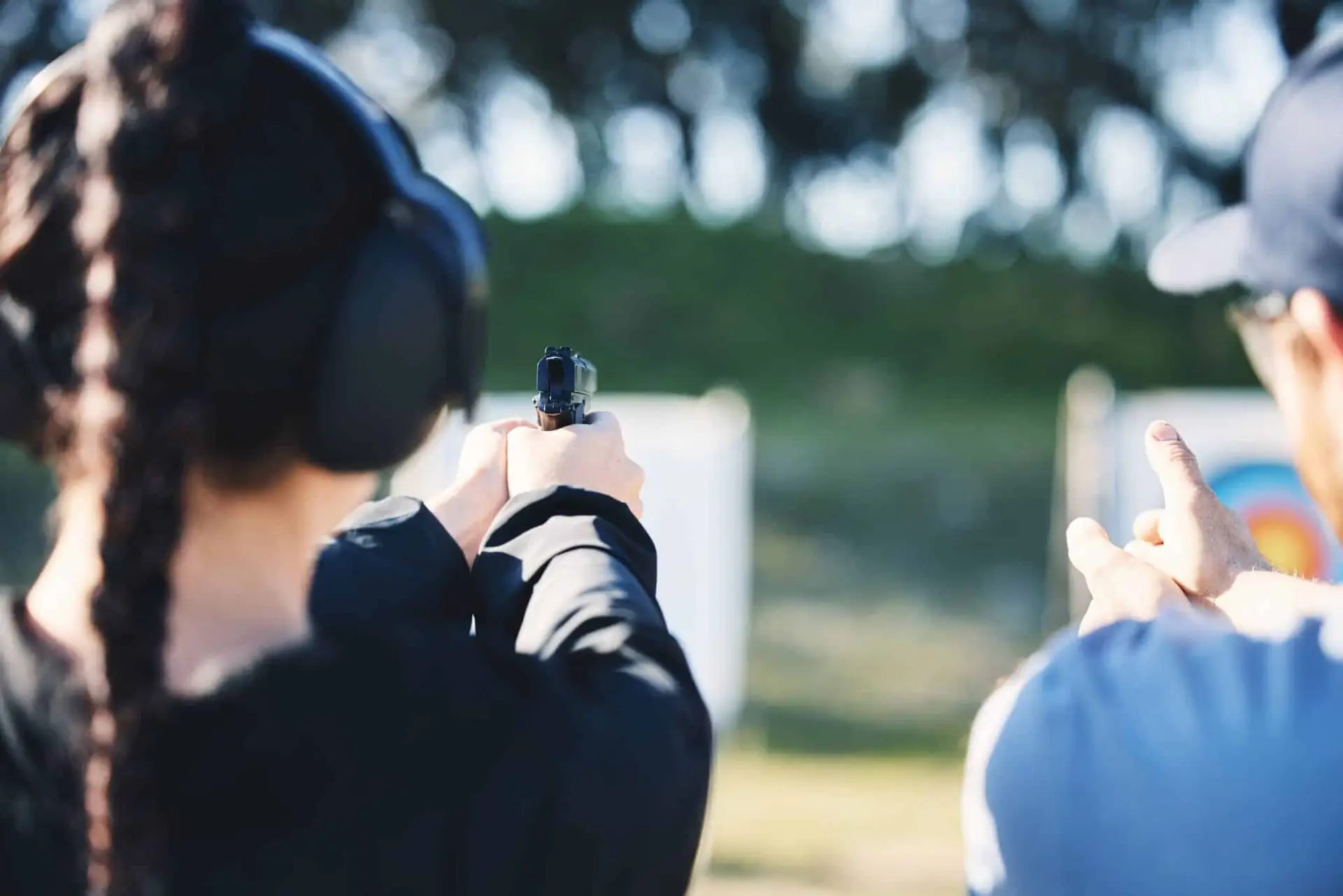
Dry training: The secret weapon for precise shooting
Für viele Schützen, egal ob Anfänger oder Fortgeschrittene, ist Trockentraining eine der effizientesten Methoden, um die Schiesstechnik zu verbessern. Es bietet eine einfache und kostengünstige Möglichkeit, die eigenen Fähigkeiten zu verfeinern – ganz ohne den Einsatz von Munition. Doch was genau ist Trockentraining und warum ist es so effektiv?
What is dry-land training?
Dry-fire training involves practicing shooting techniques without live ammunition. The shooter uses an unloaded or specially prepared weapon to specifically train their technique. This can be done at home, on a shooting range, or in any other safe location, as long as safety precautions are observed.
The main focus is on:
- Target acquisition
- Trigger control
- Grip and posture
- Body tension
- Following up on the goal
By constantly repeating these movements, the shooter can refine his motor skills and eliminate sources of error before actually going to the shooting range.
Advantages of dry-land training
- Cost and time savings
Since no ammunition is consumed, dry-fire training is a cost-effective method for improvement. It can be done at home, which makes it particularly convenient. - Focus on technology instead of resistancess
Without the recoil and noise of the shot, shooters can concentrate fully on technique. This is particularly helpful in identifying and correcting problems such as unconscious movements when pulling the trigger. - Improvement of muscle memory performance
Through repeated practice of the movement sequences in dry-land training, the Muscle memory Training is key. The more often you perform a movement correctly, the more automated it becomes. This leads to greater precision and safety in real shooting situations. - Stress-free training
Unlike the shooting range, where the pressure can be higher, dry-fire training is relaxed and allows for calm analysis and correction of errors. It offers shooters the opportunity to work on their technique without external distractions. - Can be combined with modern training aids
Dry-fire training can be perfectly combined with modern aids such as trigger analysis devices, laser targets, or specialized apps. These tools make it possible to monitor training and provide targeted feedback to make shooting even more effective.
Important aspects of dry-land training
Even when no ammunition is used, dry-fire training should be conducted with the same care and safety precautions as live-fire training. This includes:
- Verification that the weapon is unloaded
- Use of a safe environment without unwanted hazards
- Regularly repeating the safety rules to internalize them
Common mistakes during dry-land training
- Mangelnde Konzentration
Da das Training oft in entspannter Umgebung stattfindet, neigen viele Schützen dazu, die Aufmerksamkeit zu verlieren. Doch gerade beim Trockentraining ist es entscheidend, sich bewusst auf jede Bewegung zu konzentrieren, um sie zu perfektionieren. - Falsches Feedback
Ohne eine sofortige Rückmeldung, wie zum Beispiel das Sehen des Einschlags der Kugel, kann es schwierig sein, Fehler zu erkennen. Hier bieten sich Geräte wie Laseraufsätze oder Abzugsanalysegeräte an, die helfen, das eigene Schussverhalten zu überwachen. - Fehlende Abwechslung
Oft trainieren Schützen immer wieder dieselben Bewegungen, was auf Dauer monoton wird. Um die Technik vielseitig zu trainieren, sollten unterschiedliche Schusspositionen und Bewegungen eingebaut werden.
The role of trigger analysis devices in dry-fire training
Moderne Geräte wie das Mantis X10 Elite können das Trockentraining revolutionieren. Diese Tools erfassen und analysieren das Schussverhalten, insbesondere die Bewegungen der Waffe beim Abzug. Durch das Training mit solchen Geräten kann der Schütze gezielt an seinem Abzugsverhalten arbeiten und das Training deutlich effektiver gestalten.
Conclusion
Dry-fire training is an underestimated yet highly effective method for improving shooting. It offers the opportunity to practice fundamental techniques without external pressure and without the use of ammunition. Combined with modern training aids and a conscious, focused approach, it can lead to more precise and safer shots in the long run.
Those who regularly integrate dry-fire training into their training plan will quickly notice progress and act more confidently and precisely at the shooting range.