

Dummy Rounds / Manipulation Cartridges – Training and Preservation of the Weapon
Dummy rounds (also known as manipulation cartridges or snap caps ) are specially manufactured replica cartridges without propellant or live primers. They are primarily used in training to safe handling, rehearse procedures, and highlight errors. But when are they truly useful – and what are their limitations?
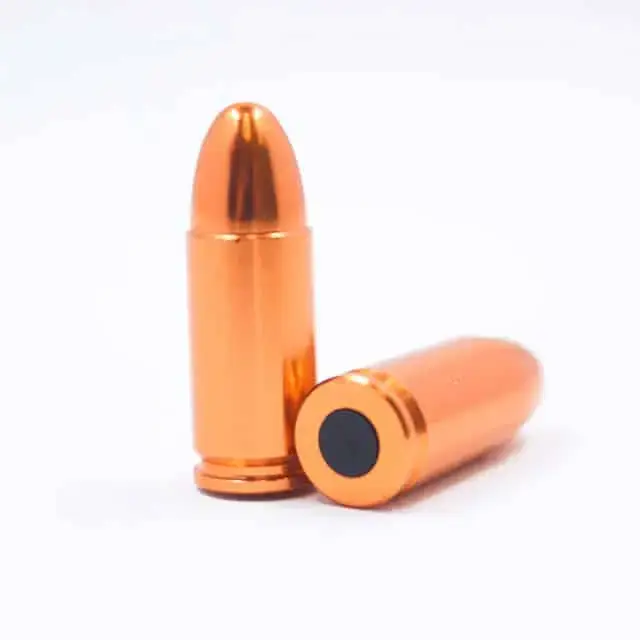
What are dummy rounds?
Dummy rounds look similar to real ammunition but contain no firing mechanism . They are often clearly color-coded (e.g., orange, red, or blue) or have holes in the casing to prevent confusion. Some versions are also spring-loaded to protect the firing pin.
What are tamper cartridges used for?
1) Dry Fire Training:
Basic procedures can be practiced without firing a shot: loading/unloading, magazine changes, trigger control, sight alignment, and grip technique. Dummy rounds increase safety but do not a safety check.
2) Practicing malfunction clearance:
When deliberately mixed into magazines, they create loading problems. This allows for realistic training of drill procedures (e.g., tap-rack ) – a major advantage for sport shooters and law enforcement training.
3) Trigger and fault diagnosis
When mixing with live ammunition (only under strict safety rules!), dummy rounds show typical faults such as flinching or jerking , as movements become visible at the “click” instead of the “bang”.
4) Schonung von Bauteilen
Bei manchen Waffen kann häufiges Trockenabschlagen ohne Dämpfung den Schlagbolzen belasten. Geeignete Dummy Rounds mit Feder oder Puffer können hier vorbeugen. Speziell bei Feuerwaffen im Kaliber .22lr sollten Manipulationspatronen verwendet werden.
- Schutz des Schlagbolzens
Bei vielen .22lr-Waffen schlägt der Schlagbolzen beim Trockentraining direkt auf den Rand des Patronenlagers. Dies kann mit der Zeit zu Beschädigungen am Schlagbolzen oder am Kammermund führen. Eine Manipulationspatrone fängt diesen Schlag ab und schützt so die Bauteile. - Schonung des Patronenlagers
Ohne eingesetzte Patrone kann der Schlagbolzen den Rand des Patronenlagers eindrücken oder Kerben verursachen. Manipulationspatronen verhindern solche Beschädigungen und tragen zur Schonung der Waffe bei.
Advantages at a glance
- ✅ Increased safety during training
- ✅ Cost-efficient (no ammunition consumption)
- ✅ Repeatability of complex processes
- ✅ Make mistakes visible (clean peeling)
- ✅ Schutz für .22lr Waffen
Limits and risks
- ⚠️ No substitute for strict safety rules : Visual and haptic inspection of the weapon remains mandatory.
- ⚠️ Risk of confusion due to poor labeling or improper handling.
- ⚠️ Limited realism : Recoil, bang, and stress cannot be fully simulated.
Is dry firing with the Stgw 90 harmful? – Explanation & Tips
In short: No, occasional dry firing with the Stgw 90 is generally not harmful – but there are a few important limitations.
Why it's usually unproblematic
- The Stgw 90 (SIG 550) was designed by SIG Sauer to be militarily robust.
- The system is spring-loaded , so that the firing pin does not normally strike metal without restraint .
- Dry knocking is intended for training, safety checks and functional tests .
What you should pay attention to
- Prolonged or frequent dry firing (e.g., intensive dry-fire training) can put long-term on the firing pin or firing pin spring .
- Particularly old or heavily used weapons are more sensitive.
- Worn springs increase the risk of material fatigue.
Recommendation (Practice & Service)
- For occasional functional checks : harmless .
- For regular dry-fire training :
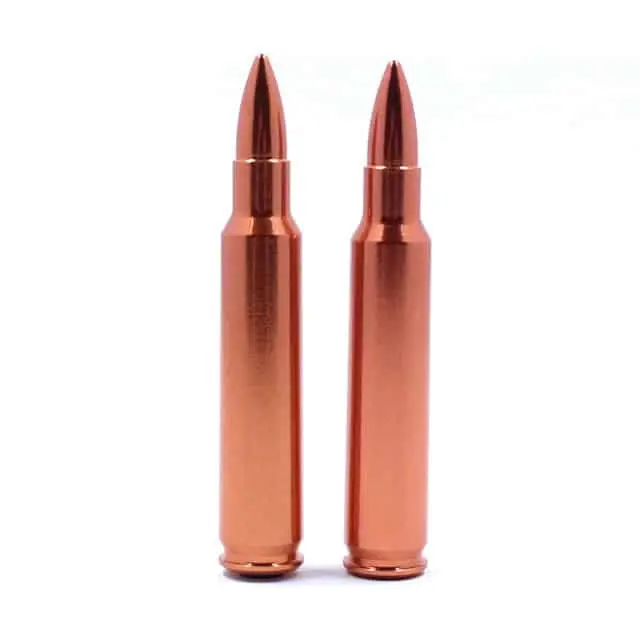
a buffer cartridge / snap cap (5.56×45) – protects the mechanism and increases its lifespan. - Always a safety check (unload the weapon, remove the magazine, check the breech).
Conclusion
✔ Occasional dry firing: OK
⚠ Frequent dry firing: better with a buffer cartridge
Manipulation cartridges
In our category of training rounds (also called dummy rounds), you'll find high-quality practice cartridges that contain no ammunition and are ideal for safe training, weapon testing, and maintenance. Perfect for shooters, security personnel, and gun enthusiasts who want to combine safety with practical experience.