
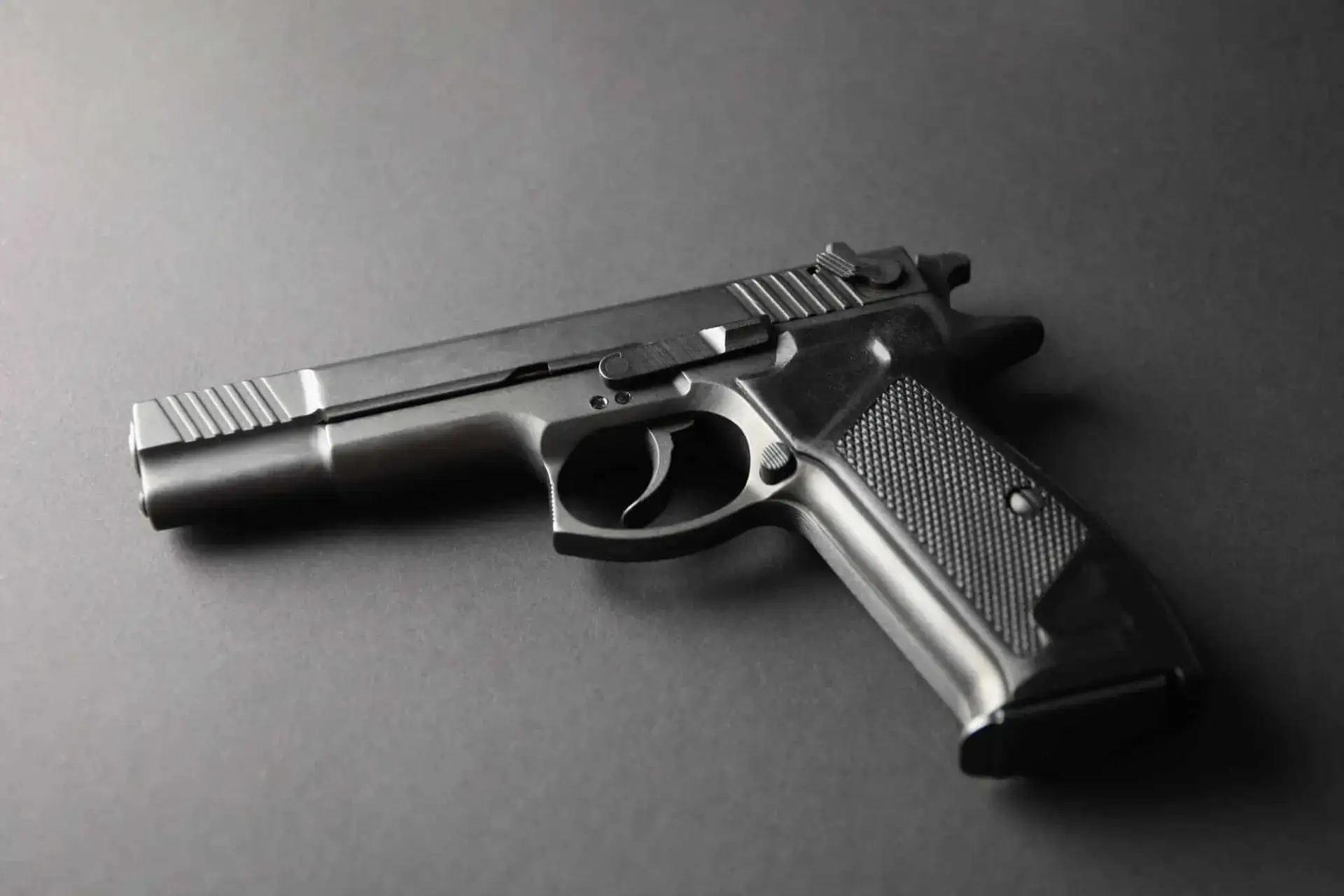
Trigger analysis: The key to improving shooting
Beim Trockentraining und Schiesstraining fokussieren sich viele Schützen oft auf den Moment des Schusses selbst. Doch wer glaubt, dass ein Fehlschuss ausschliesslich an der Art und Weise des Schusses liegt, der übersieht einen wichtigen Aspekt: das Abzugsverhalten. Genau hier kommt die Abzugsanalyse ins Spiel – ein entscheidendes Werkzeug, das dabei hilft, die Feinheiten des Abzugs zu verstehen und zu verbessern.
What is deduction behavior?
Trigger control describes the movement of the fingers and hand when pulling the trigger. Many shooters focus on aiming and the shot itself, but what happens between the moment the trigger is pulled and the shot is fired is often overlooked. The small, seemingly insignificant movement of the finger after the trigger is pulled can make the difference between a precise hit and a miss.
Even the slightest lateral movement or excessive pressure can cause the bullet to miss the target. This is often referred to as "jerking" the shot. This is where trigger analysis comes in, to identify and correct such unconscious errors.
What do Mantis' exhaust gas analyzers do?
Mantis trigger analysis devices monitor precisely these small, often unconscious movements. They record how the trigger is pulled and provide valuable feedback on the shooter's behavior. These devices are frequently equipped with sensors that register even the slightest hand movements that occur immediately after the trigger is pulled. They reveal whether the trigger was pulled smoothly or jerked at the last second.
Training with a trigger analysis device makes the shooter realize that it is often not the shot itself that is the problem, but the movement after pulling the trigger.
Common mistakes when triggering
- Pulling the trigger: Many shooters exert lateral pressure when pulling the trigger, which causes the weapon to be pulled slightly in one direction.
- Pressing too quickly: A quick, jerky trigger pull can affect the stability of the weapon, leading to misfires.
- Reaching: Sometimes, after pulling the trigger, shooters unconsciously reach for the weapon, which can also result in an unwanted movement.
- Unconscious recoil compensation: Some shooters unconsciously try to anticipate the recoil and change their stance or grip before the shot is even fired. This also affects accuracy.
The role of dry-land training
Das Trockentraining ist ein wichtiger Bestandteil des Schiesstrainings, bei dem Schützen ohne scharfe Munition an ihrer Technik arbeiten. Hierbei können sie sich gezielt auf ihr Abzugsverhalten konzentrieren, ohne sich um den Rückstoss oder den Knall des Schusses sorgen zu müssen. In Kombination mit einem Abzugsanalysegerät lässt sich so die Feinmotorik verbessern, was langfristig zu präziseren Treffern führt.
How trigger analysis improves your shooting
The trigger analysis device reveals what is difficult to discern with the naked eye. It helps to sharpen your understanding of your own technique and make targeted corrections. Through regular analysis and adjustment, shooting becomes not only more precise but also more deliberate.
Ultimately, it's about maintaining control over every phase of the shot – and that often begins with the small but crucial moment when the trigger is pulled.
Conclusion
Anyone who thinks shooting is just about firing a shot overlooks one of the most important aspects: trigger control. A trigger analysis device allows you to analyze, understand, and ultimately improve this crucial moment. This makes dry-fire practice more efficient and your shooting more precise.